



Description
- ACCURATE, CONVENIENT & AFFORDABLE: This DNA test will help breeders & owners find out if your cat carries the mutated PKD1 gene. THIS IS NOT A BREED TEST.
- POLYCYSTIC KIDNEY DISEASE: PKD is an inherited autosomal dominant disorder in Persian & Persian related cats that causes multiple cysts (pockets of fluid) to form on the kidneys. The PKD DNA Test can be carried out on Persians, Himalayans, Exotics & crosses of these three
- SIMPLE & EASY SAMPLE COLLECTION PROCESS: Samples can be collected simply & painlessly using the supplied cheek swabs. You will get the results by email 12 working days after receipt of samples.
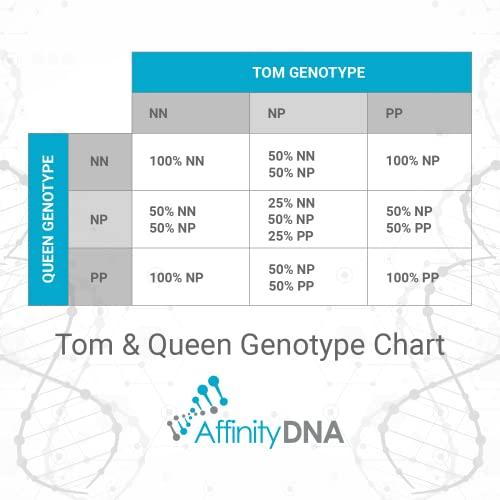
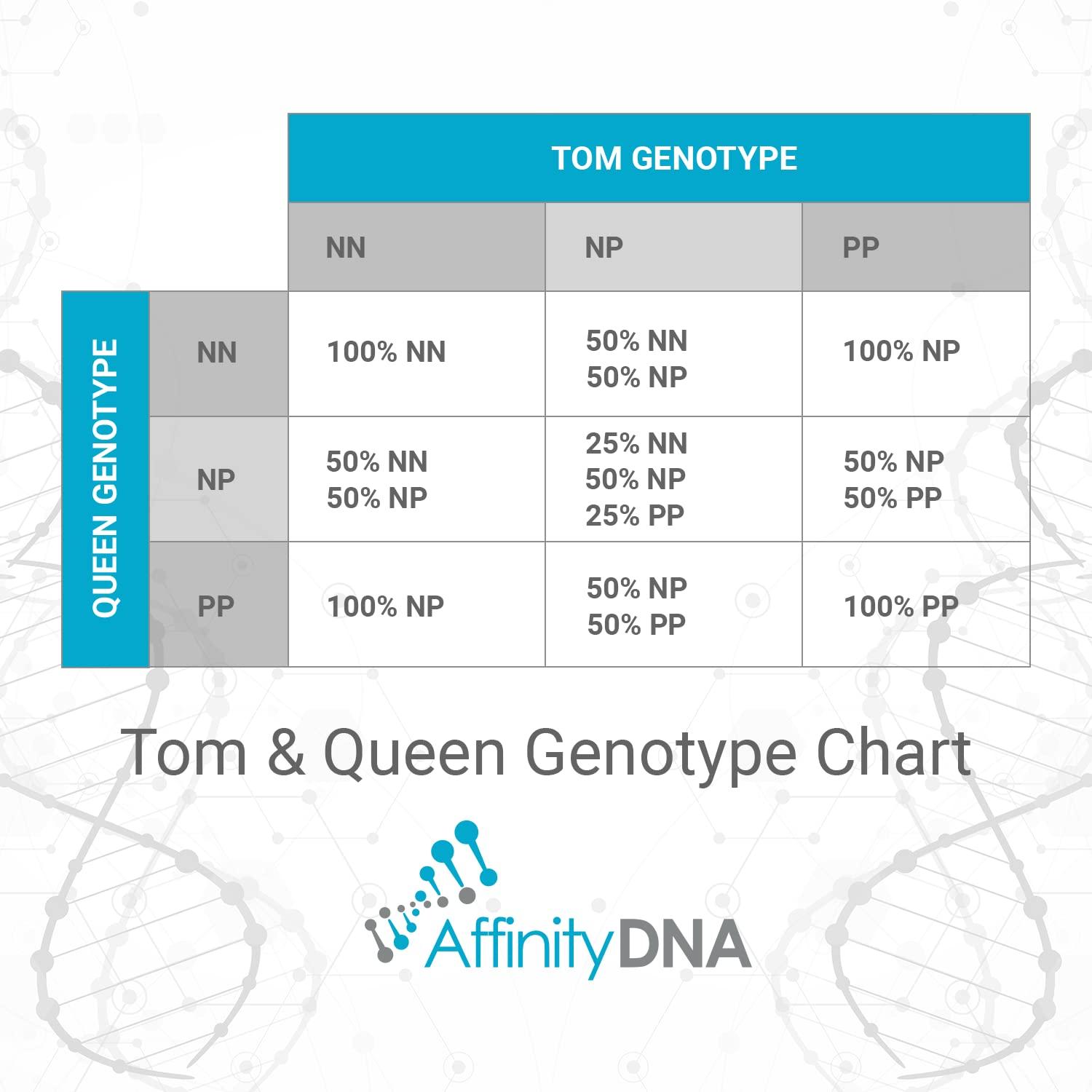
- RECEIVE A DNA REPORT SHOWING THE CATS GENOTYPE FOR PKD: The 3 possible genotypes include NN (2 copies of the normal allele), NP Heterozygote (1 normal copy & 1 copy of the PKD mutation) or PP (2 copies of the PKD mutation). PKD is the result of a single, autosomal dominant gene abnormality. This means that every cat with the abnormal gene will have PKD.
- COMPLETE PKD TESTING KIT FOR YOUR PET: The sample collection kit contains 4 x sterile mouth swabs (all 4 for 1 cat), step-by-step sample collection instructions, registration form & return envelope.
The Polycystic Kidney Disease PKD DNA Test is a fast and effective way of determining whether or not your cat has the mutated gene known to cause PKD or is likely to pass it on to any offspring.
Polycystic kidney disease or PKD is an inherited autosomal dominant disorder in Persian and Persian related cats that causes multiple cysts (pockets of fluid) to form on the kidneys. These cysts are present from birth. Initially they are very small, but they enlarge over time and may eventually disrupt kidney function resulting in kidney failure and possibly death.
All cats with PKD have cysts in their kidneys, but the number of cysts and the rate at which the cysts grow larger varies between cats. In most cats, the cysts grow slowly, and affected cats will not show any signs of kidney disease until later in life, usually around seven years old. In some cats, kidney failure will occur at a much younger age while kidney failure will not develop at all in other cats. There is currently no way of predicting how rapidly the disease will progress in a specific cat.
PKD is the result of a single, autosomal dominant gene abnormality. This means that every cat with the abnormal gene will have PKD. All cats with the PKD gene, even those with no clinical signs or only a few small cysts, will still pass the genetic defect onto its kittens, even if mated with an unaffected, healthy cat. In other words, a cat only needs one of its parents to be affected with PKD in order to inherit the abnormal gene and be affected itself.
The PKD DNA Test can be carried out on Persians, Himalayans, Exotics and crosses of these three.
Results are issued by email 12 working days after receipt of samples.
We will email a DNA report showing the cats genotype for PKD. The 3 possible genotypes include NN (2 copies of the normal allele), NP Heterozygote (1 normal copy and 1 copy of the PKD mutation) or PP (2 copies of the PKD mutation).